
Why AI Governance Is Becoming a Management Skill, Not a Legal One
As artificial intelligence became ordinary, responsibility shifted inside the organization. This analysis examines why effective AI governance now depends less on regulation and more on everyday management practice.
Why AI Governance Is Becoming a Management Skill, Not a Legal One
As artificial intelligence becomes ordinary, responsibility shifts inside the organization
As artificial intelligence moved from experimentation to everyday use in 2025, the conversation around governance began to change. AI was no longer a future risk to be anticipated—it was a present system to be managed.
As outlined in our earlier analysis, 2025 marked the year AI went mainstream. That transition brought benefits, but it also surfaced a quieter question: who is actually responsible when AI becomes part of daily operations?
The Early Assumption: Governance Equals Regulation
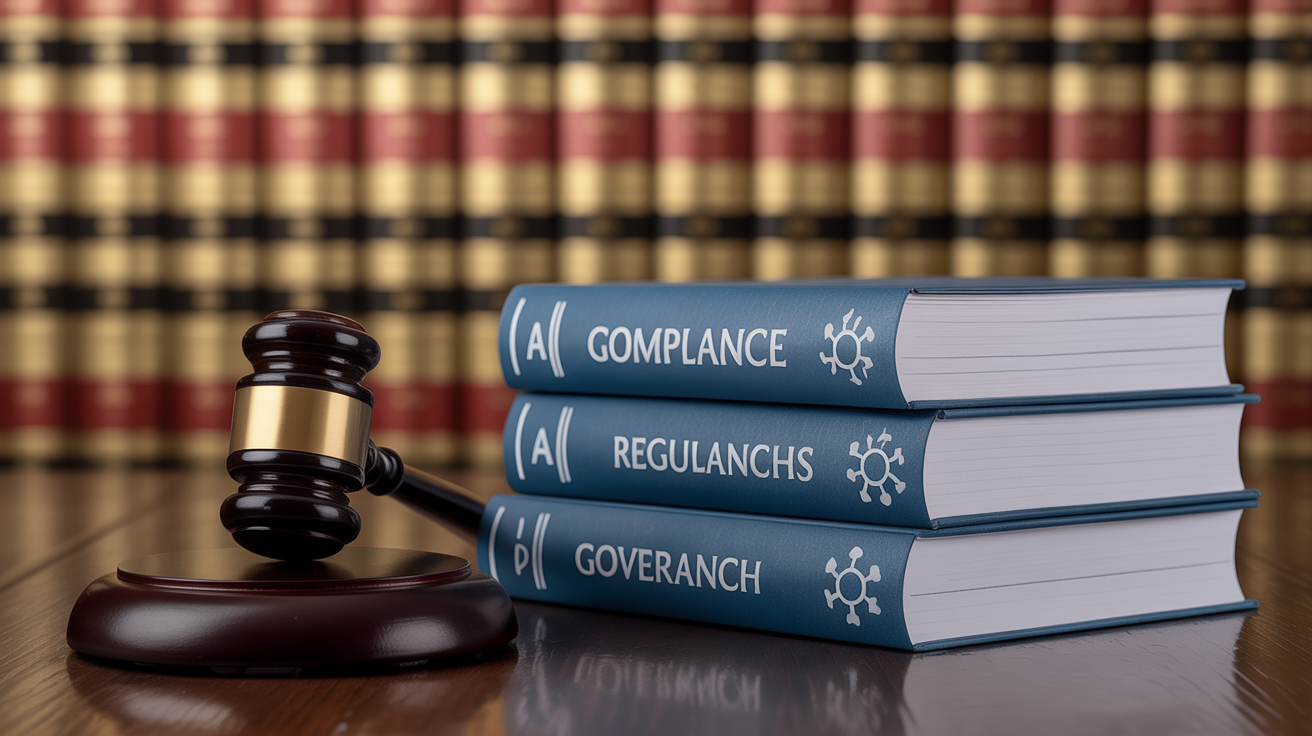
In the early years of AI adoption, governance was treated primarily as a legal concern. Organizations looked outward—to regulators, compliance teams, and policy frameworks—to define what was allowed and what was prohibited.
This made sense when AI systems were experimental and loosely integrated. But as AI became embedded into workflows, decision-making, and internal tools, external regulation alone proved insufficient.
Governance could no longer live solely in legal documents. It had to live in management practice.
Normalization Changed the Risk Profile

Once AI became routine, the most common risks were no longer theoretical. They were operational: incorrect outputs, unclear accountability, automation without oversight, and inconsistent use across teams.
Industry research has shown that many AI failures stem not from technical flaws, but from weak organizational controls and unclear ownership (Harvard Business Review).
These are management problems, not legal ones.
Governance Lives Where Decisions Are Made
Effective AI governance increasingly depends on everyday decisions: who can deploy a tool, who reviews its outputs, when human judgment overrides automation, and how exceptions are handled.
As noted by enterprise analysts, organizations that treat AI governance as an operational discipline—rather than a compliance checklist—are better positioned to scale responsibly (McKinsey & Company).
This does not eliminate the need for regulation. It clarifies its limits.
The Manager's New Responsibility

Managers now play a central role in AI governance, whether they realize it or not. They decide how tools are introduced, how outputs are interpreted, and how much trust is placed in automated systems.
When AI produces errors, confusion often arises not because rules are absent, but because responsibility is diffused. As AI became mainstream, this lack of clarity became increasingly costly.
Good governance does not slow organizations down. It prevents small failures from compounding into large ones.
From Rules to Practice
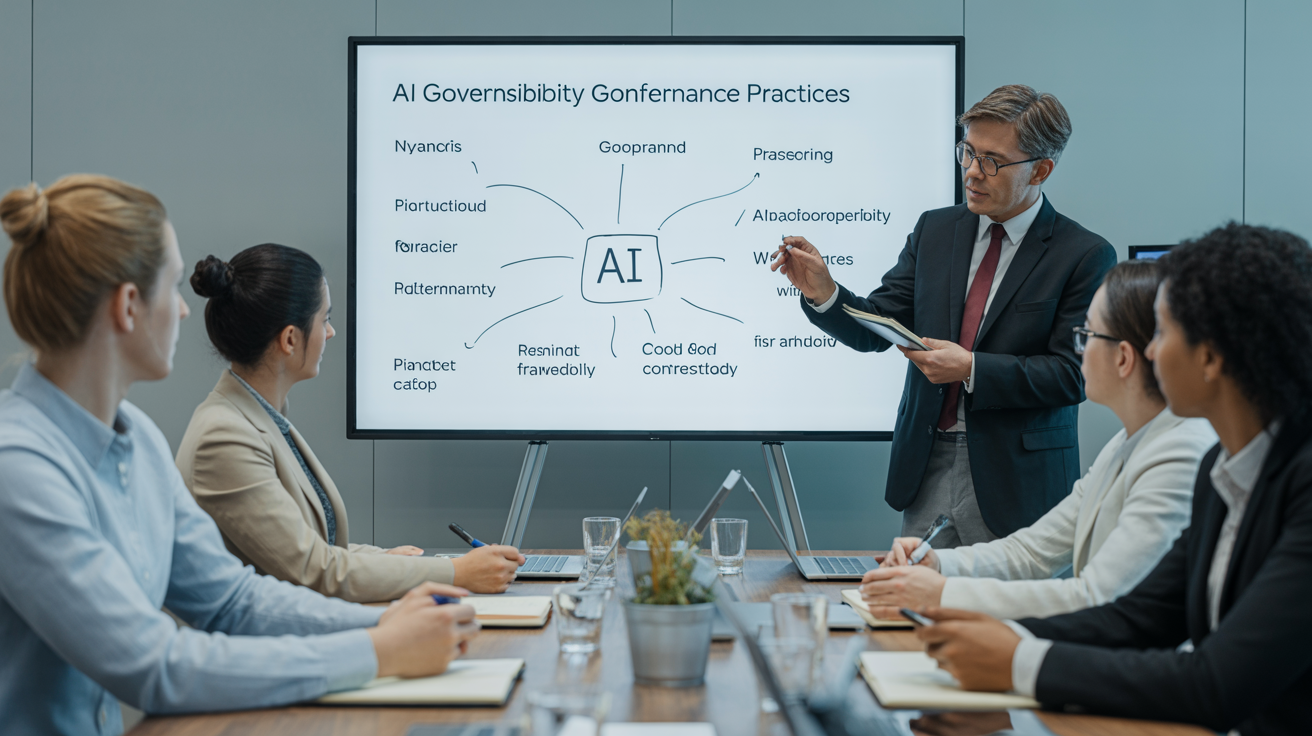
As AI matures, governance will continue shifting away from static rules toward ongoing practice. This mirrors earlier technological transitions, where reliability depended less on policy and more on habit, training, and institutional memory.
The organizations that succeed will be those that embed governance into management routines rather than treating it as an external constraint.
Looking Back to See the Pattern

The need for managerial governance became visible only after AI adoption scaled. As discussed in our previous article, what started breaking after AI went mainstream was rarely the technology itself—it was the surrounding structure.
AI governance is simply the next stage of institutional adaptation.
What Comes Next
As AI continues to settle into everyday use, governance will increasingly be judged not by policy documents, but by outcomes.
The question organizations must answer is no longer whether they comply with AI regulations, but whether they can manage AI responsibly at scale.
That answer will come not from lawmakers, but from leaders.
Sources & References
- Harvard Business Review. Why AI Projects Fail. https://hbr.org/2024/10/why-ai-projects-fail
- McKinsey & Company. The Real Challenge of AI Transformation. https://www.mckinsey.com/capabilities/quantumblack/our-insights/the-real-challenge-of-ai-transformation
Published by Vintage Voice News
Sources & References
Disclaimer: This analysis is for informational purposes only and does not constitute investment advice. Markets and competitive dynamics can change rapidly in the technology sector. Taggart is not a licensed financial advisor and does not claim to provide professional financial guidance. Readers should conduct their own research and consult with qualified financial professionals before making investment decisions.

Taggart Buie
Writer, Analyst, and Researcher